The breakthrough is a star-shaped guide hole drilled in the stator core laminations – it transforms both insertion and grounding performance.
• Round guide hole with radial protrusions forming a star pattern
• Typical configuration: Ø0.83–0.87 mm round hole, Ø0.96–0.97 mm star points
• Controlled deformation zone during pin insertion
• Multiple electrical contact points around the pin
How Ground Pin Technology Works
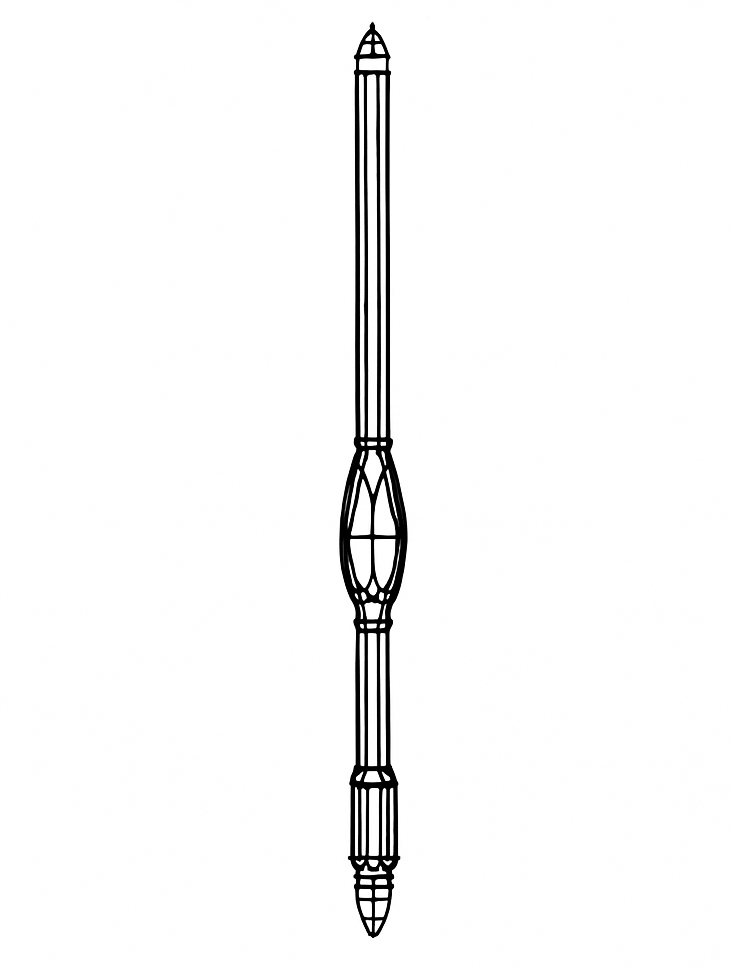
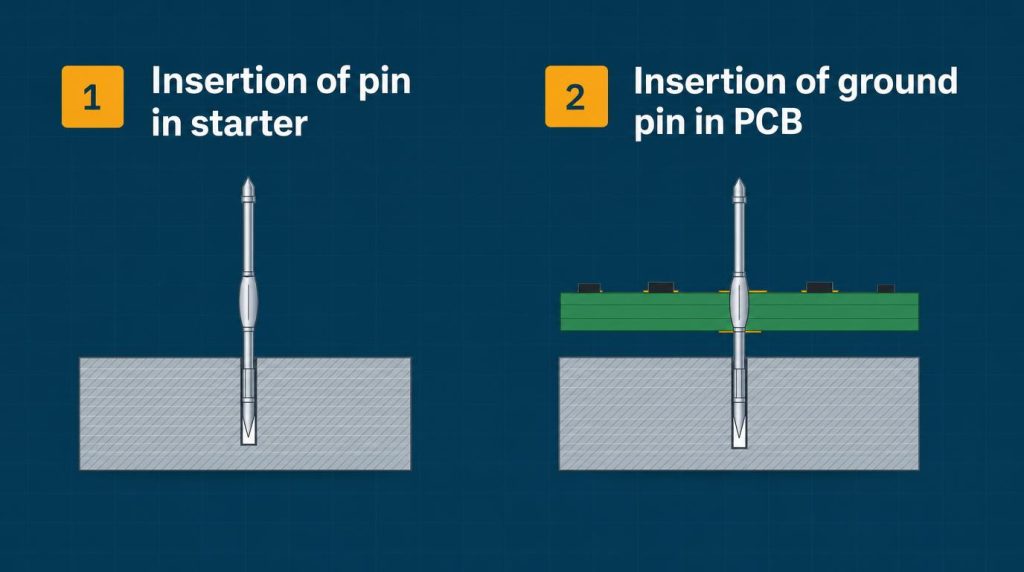
The Ground Pin is inserted into a specially designed hole in the stator core. During insertion, the pin engages with the star-shaped geometry, creating controlled deformation and multiple contact zones. The resulting mechanical interference secures the pin while establishing an electrical grounding connection.
The solder-free process eliminates the need for heat during pin installation and is suitable for integration into automated manufacturing processes.
Advantages of Press-Fit Grounding
Solder-free assembly: No soldering or welding is required for pin installation.
Controlled insertion force: Supports process monitoring and repeatable production.
Mechanical retention: Interference between the pin and stator laminations provides mechanical locking.
Multiple contact points: The star-shaped geometry establishes several electrical contact zones.
Automation compatibility: Designed for integration into automated pin insertion processes.
Reduced maintenance requirements: The controlled insertion process can help reduce tooling wear and maintenance needs.
Engineering and Process Validation
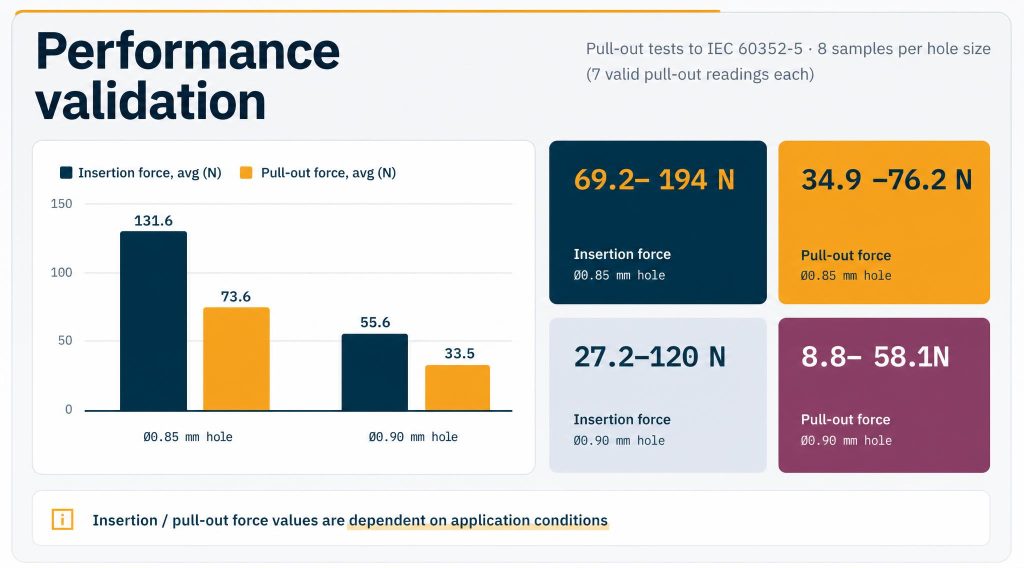
SM Contact evaluates pin insertion and mechanical retention through laboratory testing. Insertion force and pull-out force measurements help assess connection performance and establish suitable process parameters for the intended application.
New patented IDC pin for magnet wire allows up to 80% cost savings
Ground Pin Technology
This website uses cookies
We use cookies to ensure that we give you the best experience on our website: to personalise content and ads, to provide social media features and to analyse our traffic. Cookies cannot run programs or transmit viruses to your computer. By using this website, you consent to our use of cookies on this device in accordance with our Privacy and Cookies policy.